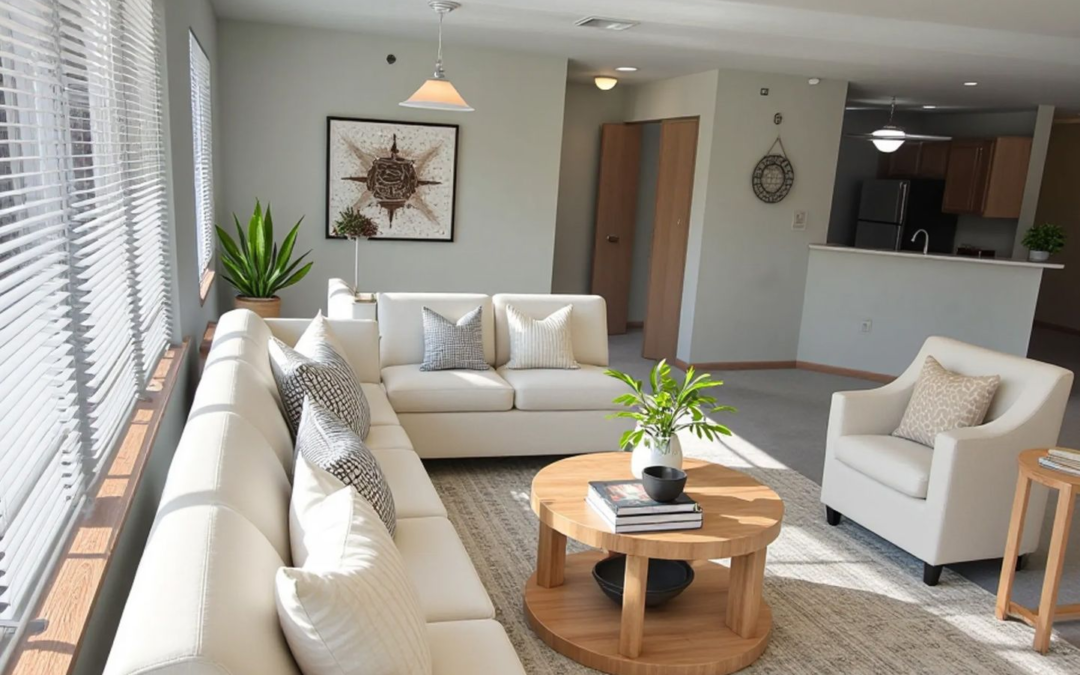
Apartment photos can narrow your search, but they cannot tell you how a home feels once you step inside. A tour is your chance to test the layout, inspect the condition, understand the costs, and ask important questions before you apply.
Look beyond the finishes. Consider how the space would work during an ordinary weekday. Where would you put your furniture? Is there enough storage? Who handles maintenance? Practical details often matter more after move-in than the features that first catch your eye.
This apartment tour checklist will help you stay organized, compare homes fairly, and leave every showing with the information you need.
What should you look for during an apartment tour?
During an apartment tour, inspect the unit’s condition, layout, appliances, water fixtures, windows, heating and cooling, storage, noise, and natural light. You should also review parking, laundry, building access, amenities, utilities, maintenance services, lease terms, and community policies.
Take notes, ask permission before taking photos, and use the same checklist at every property. That makes your options easier to compare.
Before the tour, know your nonnegotiables
It is easy to get distracted by a beautiful kitchen or a rooftop patio. Before you arrive, write down the things your next home must have.
Start with your move-in date, budget, bedroom count, and location needs. Then list priorities such as laundry, parking, elevator access, storage, or a work-from-home area. If you have an animal, review the policy. Regency permits cats with applicable fees and authorization, while dogs are not permitted. A leasing specialist can provide guidance about emotional support animals.
Bring a notebook, tape measure, and dimensions of your largest furniture. It is better to discover a tight fit during the tour than on moving day.
Confirm whether you are seeing the exact apartment
First ask whether you are touring the available apartment or a representative unit. A model or similar floor plan can still help, but details may vary. The view, floor level, natural light, flooring, outdoor space, and condition may not be identical.
If the available home is not ready, ask what will be different. Confirm the apartment number, level, included features, and estimated availability in writing. Never assume that something in a model is included in every unit.
Test the layout, not just the square footage
Square footage gives you a number. The layout tells you whether the home will actually work.
Walk through your normal routine in your head. Can a table fit without blocking the walkway? Would your bed leave space to open the closet? If you work remotely, is there a practical place for a desk?
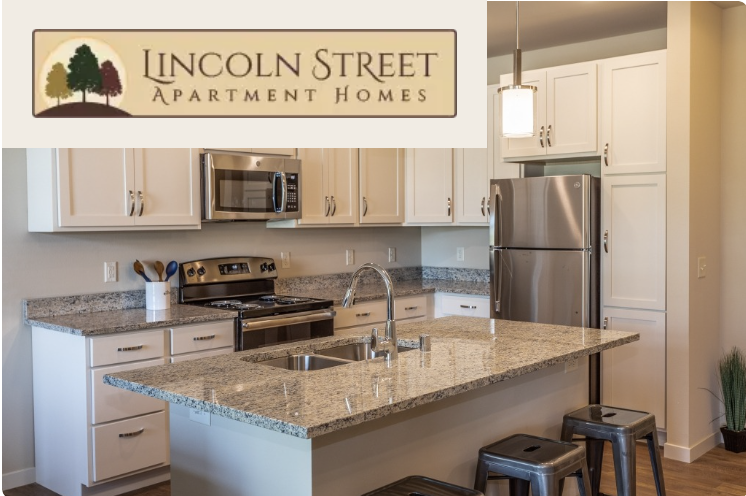
Open closets and cabinets with permission. Look for coat storage, linen space, pantry room, and bedroom closets. At Lincoln Street Apartments, for example, apartments include walk-in closets with built-in organizers, and select layouts offer features such as a pantry or den. Those details can make daily organization easier, but you should confirm what is included in the specific apartment you are considering.
Measure tight areas that matter, especially doorways, bedroom walls, and dining spaces.
Inspect walls, ceilings, floors, doors, and windows
Check walls and ceilings for cracks, stains, or signs of a leak. Look at floors for damage or uneven areas. Test interior and closet doors.
Check whether windows open, close, and lock. Notice whether screens are present, and stand nearby to hear outside activity. Ask which direction the apartment faces if sunlight matters to you.
Wisconsin’s Department of Agriculture, Trade and Consumer Protection recommends checking ceilings and walls for cracks and water stains, confirming that windows and latches are secure, and documenting defects on the move-in check-in sheet [1]. A tour is not a substitute for that formal move-in inspection, but it can help you spot questions before signing.
Look closely at the kitchen
A polished countertop can draw your attention, but the working parts matter just as much. Check each included appliance and ask whether the ones you see will remain. Open cabinets and look beneath the sink for moisture or leaks.
Consider how you cook. Is there enough counter space, storage, and access to outlets? Can the refrigerator open without blocking a walkway?
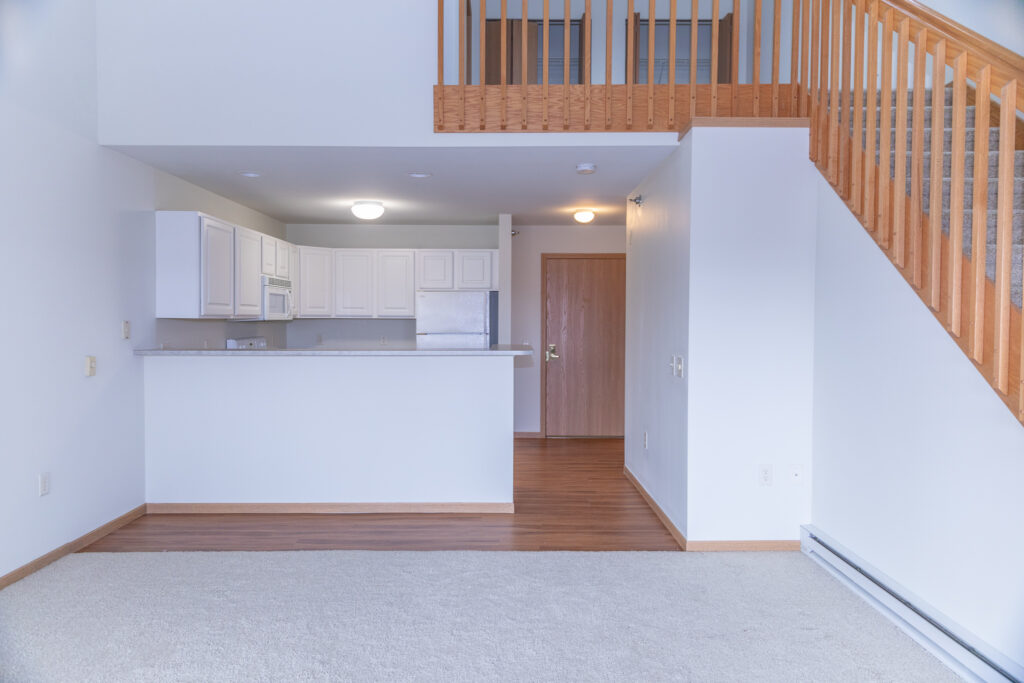
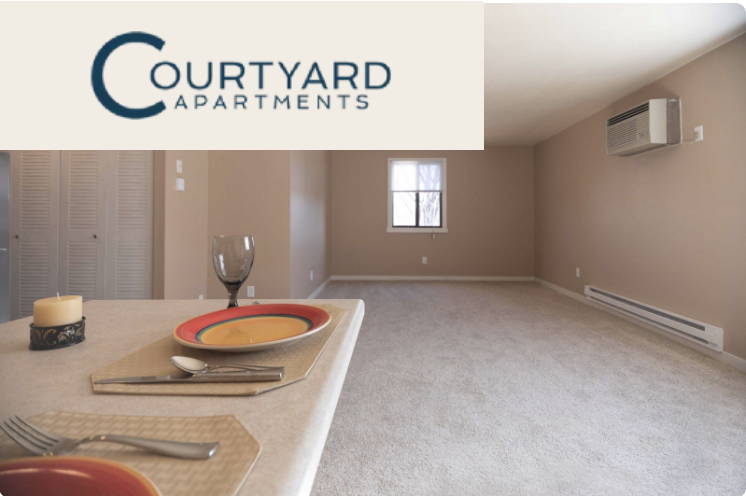
Regency properties offer different kitchen designs. Courtyard Apartments uses space-saving studio layouts, while newer Verona communities offer larger kitchens and modern finishes. The right choice depends on how much you cook, how much you store, and how you use the rest of the apartment.
Check the bathroom and water fixtures
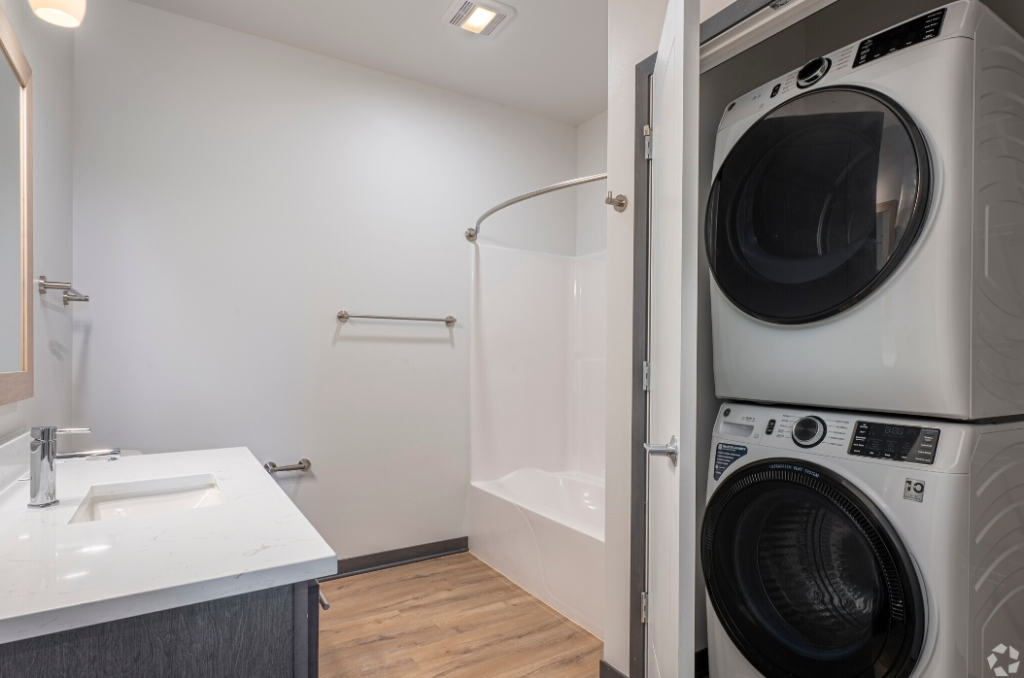
Turn on the faucets and shower, and ask before testing anything that is not already connected. Check water pressure, hot water, drainage, and visible leaks. Flush the toilet and look around its base. Examine the tub or shower, grout, caulking, vanity, and ventilation.
DATCP specifically advises renters to test faucets for leaks, drainage, and water temperature, and to flush toilets during the condition inspection [1]. If you notice a problem during a tour, ask whether it will be repaired and request that any repair commitment be documented.
Also consider storage. Where would towels and cleaning supplies go? Small inconveniences can become daily frustrations.
Understand heating, cooling, and utilities
Ask how heating and cooling work and which utilities you would place in your name. Arrangements differ by property and sometimes by apartment type, so get an answer for the exact unit.
Courtyard and Lincoln Street include water, sewer, trash, and recycling, although resident-paid utilities differ. The Outlook at 1000 Oaks includes water, sewer, garbage, and heated underground parking. Confirm current terms before applying.
Wisconsin landlords must disclose whether tenants are required to pay utilities and, when a unit is not individually metered, how charges are divided [1]. Ask for a complete list of recurring charges so you can compare the total monthly cost, not just advertised rent.
Pause and listen
Every community has normal daily activity. The goal is to understand the sound environment and decide whether it fits your preferences.
Stand quietly in the bedroom and living room. Listen near windows, the entry door, and shared walls. Notice the apartment’s distance from elevators, stairs, parking entrances, fitness rooms, pools, and gathering spaces. If sound is a major priority, ask whether another location within the building is available.
A midday tour provides only a snapshot. Ask what activity is typical and, when practical, observe the area at another appropriate time without disturbing residents.
Review parking, laundry, storage, and packages
These features vary significantly. Ask:
- Is parking included, assigned, covered, underground, or available for an extra charge?
- How many vehicles can be accommodated?
- Where can guests park?
- Is there electric vehicle charging, and does it require a separate rental?
- Is laundry inside the apartment or in a shared room?
- Are storage spaces included, rented separately, or subject to availability?
- How are packages delivered and secured?
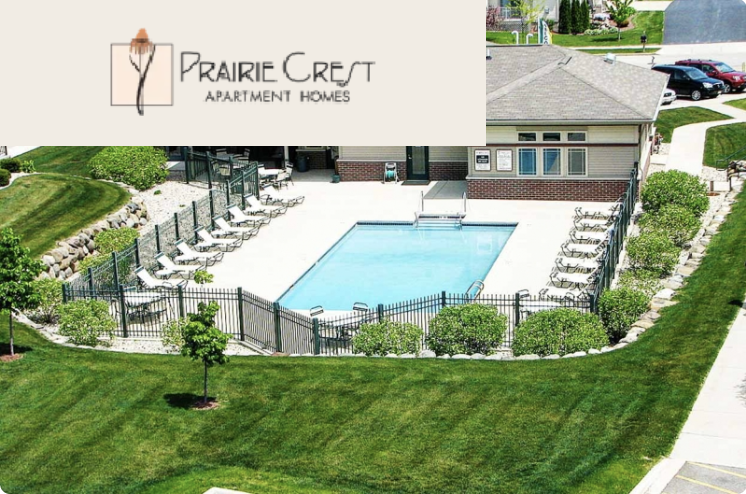
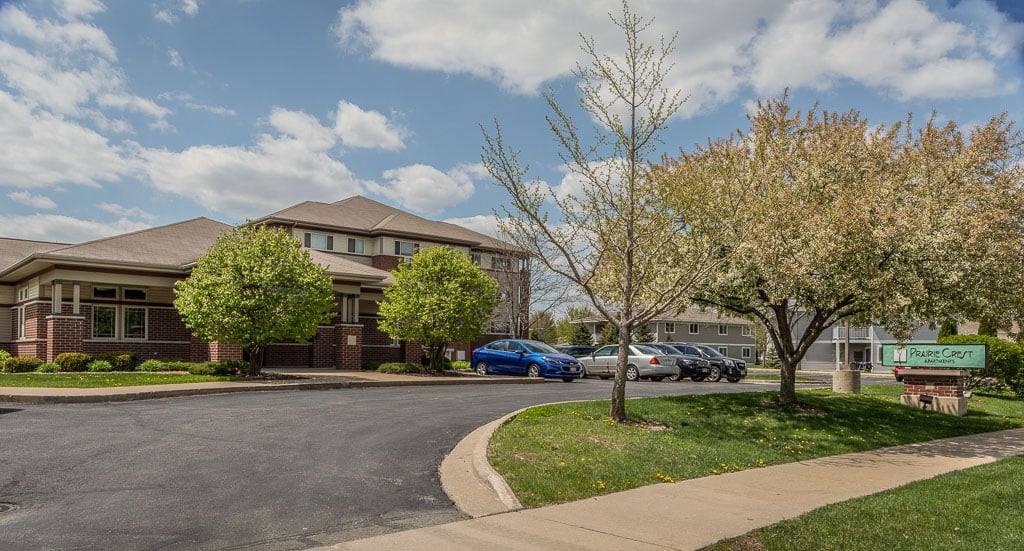
At Prairie Crest Apartments, assigned heated underground parking is included. Lincoln Street includes one assigned underground stall plus unassigned surface parking. Courtyard has shared laundry and different parking options. Confirm current availability, fees, and rules.
Tour the shared spaces you would actually use
Amenities add value when they fit your routine. Visit the shared spaces that matter to you, then ask:
- What are the hours?
- Is access seasonal?
- Are reservations required?
- Are there guest rules?
- Is a deposit required to reserve a room?
- Is Wi-Fi available?
- Are there footwear, equipment, or cleanup rules?
Regency pools are seasonal, and fitness center and community-room procedures vary. Learn how an amenity works, not merely whether it exists.
Ask how access and maintenance work
Ask how residents and visitors enter, how access devices are replaced, and where mail and packages go.
Then ask what happens when something needs attention. Is there on-site maintenance? Can residents submit requests online? Who should be contacted after hours?
Regency residents can use the online Resident Portal to submit and track maintenance requests. Regency communities also have on-site maintenance support, and emergency after-hours maintenance is available by phone at (608) 258-0006. Knowing the process before you move in can make a stressful situation much easier.
Read the lease details and community policies
A tour should prepare you to review the lease. Ask about move-in costs, the application, renewal, notice requirements, subleasing, and relevant policies.
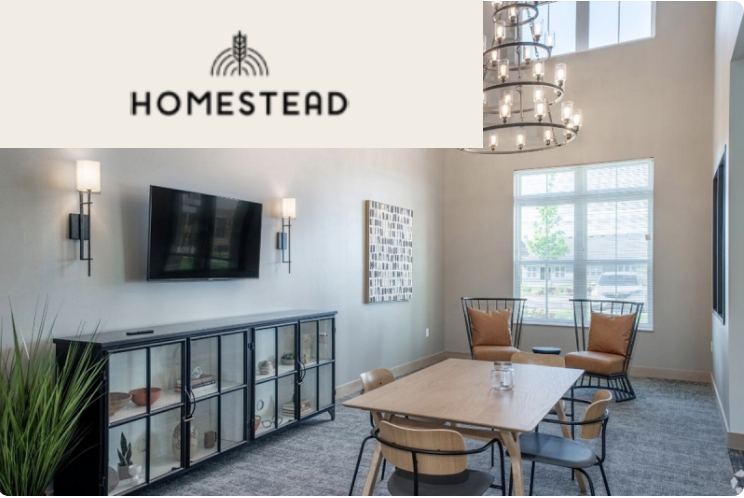
Regency’s standard lease term is 12 months. Short-term options may be available at many locations based on current availability, and subleasing is specifically permitted at Prairie Crest and Homestead Luxury Rentals. Never assume that a policy at one property applies everywhere.
Read the full agreement and ask about anything unclear. DATCP says renters should have an opportunity to review a written agreement before deciding and receive a copy when signed [1]. Get repair promises and completion dates in writing.
Your quick apartment tour checklist
Before leaving, make sure you can answer each of these questions:
| Area | What to confirm |
|---|---|
| Apartment | Exact unit or model, floor plan, condition, light, storage, and furniture fit |
| Kitchen and bath | Included appliances, water pressure, drainage, ventilation, and visible damage |
| Comfort | Heating, cooling, windows, sound environment, and apartment location |
| Monthly cost | Rent, included utilities, resident-paid utilities, parking, storage, and other fees |
| Daily logistics | Laundry, packages, parking, bike storage, trash, and recycling |
| Community | Access system, amenities, hours, guest rules, and reservations |
| Support | Maintenance process, on-site contacts, and after-hours emergencies |
| Lease | Term, availability date, deposits, policies, renewal, and subleasing rules |
What should you do after the tour?
Before your next showing, record what you liked, what concerned you, and what still needs an answer. Compare the home with your original priorities.
If it remains a strong option, follow up promptly for any missing information. Review the floor plan, current pricing, availability, and lease documents. Once you move in, complete the formal check-in sheet carefully. Wisconsin tenants who pay a security deposit generally have seven days after tenancy begins to inspect the premises, report defects on the check-in sheet, and keep a copy [1]. Photos can help document existing conditions.
Regency has helped residents find apartments in Madison and Verona since 1980. We want you to choose a home that works in real life, not only in photos.
Browse current Regency apartment availability and schedule a tour when you find a home that fits your needs.
Frequently asked questions about apartment tours
How long does an apartment tour take?
Most tours can be completed in 30 to 60 minutes, depending on the property and the number of shared spaces you visit. Leave enough time to inspect the apartment without rushing and to ask your prepared questions.
Should I take photos during an apartment tour?
Ask the leasing specialist for permission first. If photos are allowed, capture details that will help you compare options, such as storage, appliance placement, views, and existing condition. Do not photograph residents or private areas.
What is the most important question to ask?
Confirm whether you are seeing the exact available apartment and ask for the complete monthly cost. Those answers prevent confusion about unit-specific features, utilities, parking, and recurring fees.
Is the tour enough to document apartment condition?
No. The tour helps you evaluate the home before applying. After move-in, complete the official condition check-in process, document existing damage, submit the required materials on time, and keep copies for your records.
Can I tour a Regency apartment before applying?
Tours depend on availability and unit readiness. Review Regency’s available apartments and ask the property team about a showing.
Sources
[2] Regency Knowledge Base (2026). Internal reference covering Regency property features, policies, utilities, leasing, and resident services.
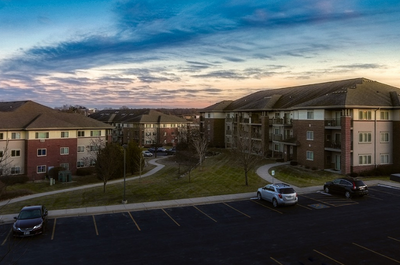
PRAIRIE CREST APARTMENTS VERONA
Verona, WI
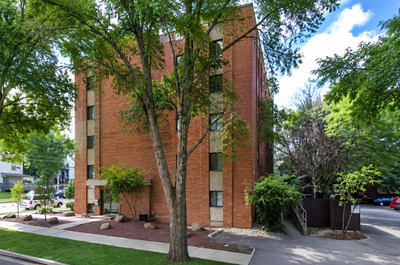
COURTYARD APARTMENTS DOWNTOWN
Madison, WI
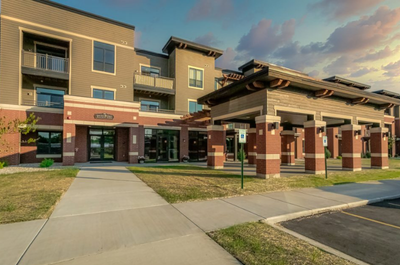
LINCOLN STREET APARTMENTS VERONA
Verona, WI
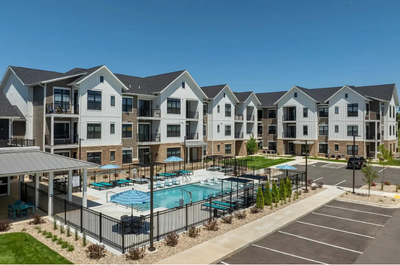
Homestead Luxury Rentals Verona
Verona, WI
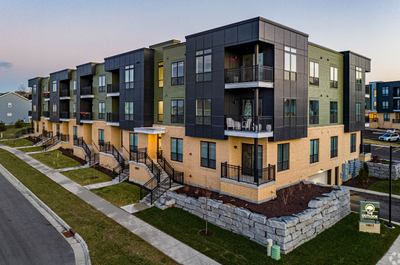
The Outlook at 1000 Oaks Verona
Madison, WI