Moving to a new city is exciting right up until you have 27 browser tabs open and cannot remember which apartment included parking.
You start with the big questions. Where should you live? How much can you afford? How close do you need to be to work? Then the smaller questions arrive. Which utilities are included? Do you need a car? Where will you do laundry? Is there enough storage? When should you apply?
The Madison rental market gives you plenty of choices, but more choices do not always make the decision easier.
A good apartment search starts before you schedule a tour. You need a realistic budget, a clear idea of your priorities, and a plan for comparing properties consistently.
If you are moving to Madison, WI, this apartment-hunting checklist will help you move from endless searching to a decision that makes sense for your daily life.
What Should You Know Before Moving to Madison?
Before choosing an apartment, decide whether you want to live in downtown Madison or in a nearby community such as Verona.
Downtown Madison offers stronger walkability, access to public transportation, and proximity to UW–Madison, UW Health, the Wisconsin State Capitol, restaurants, and entertainment. Verona offers a quieter setting with modern apartment communities, parks, trails, parking, and convenient access to Epic Systems.
Your decision should be based on where you need to go most often, not only where you expect to spend occasional weekends.
You should also calculate the complete housing cost, identify your essential apartment features, prepare for applications, review the lease carefully, and arrange utilities before moving.
Here is the complete checklist.
1. Choose Between Downtown Madison and the Surrounding Area
The first decision is not the apartment. It is the location.
Living downtown may make sense if you work, study, or spend most of your time near the Capitol, UW–Madison, UW Health, or central Madison. Depending on your destination, you may be able to walk, bike, or use public transportation for many trips.
Verona may make more sense if you work at Epic Systems, prefer easier access to parking, want a larger floor plan, or value amenities such as a pool, underground parking, in-unit laundry, or a large fitness center.
Ask yourself:
- Where will I work or study?
- How many days per week will I commute?
- Which trips will I make most often?
- Do I want to rely on a car?
- How important is walkability?
- Do I want city activity or a quieter setting?
- Which amenities are difficult to find downtown?
Do not assume the nearest apartment is automatically the most convenient. Check the actual route, traffic patterns, bus schedule, parking situation, and winter travel needs.
2. Build a Complete Monthly Budget
Rent is only one part of your housing cost.
Your monthly budget may also include:
- Electricity
- Gas
- Water and sewer
- Trash and recycling
- Internet
- Parking
- Laundry
- Storage
- Renter’s insurance, if required
- Transportation
- Recurring property charges
Use this formula:
Monthly rent + utilities + internet + parking + laundry + recurring fees + transportation = estimated monthly housing cost
This prevents a common apartment-hunting mistake. One apartment may have a lower rent but charge separately for utilities and parking. Another may cost more upfront while including several of those expenses.
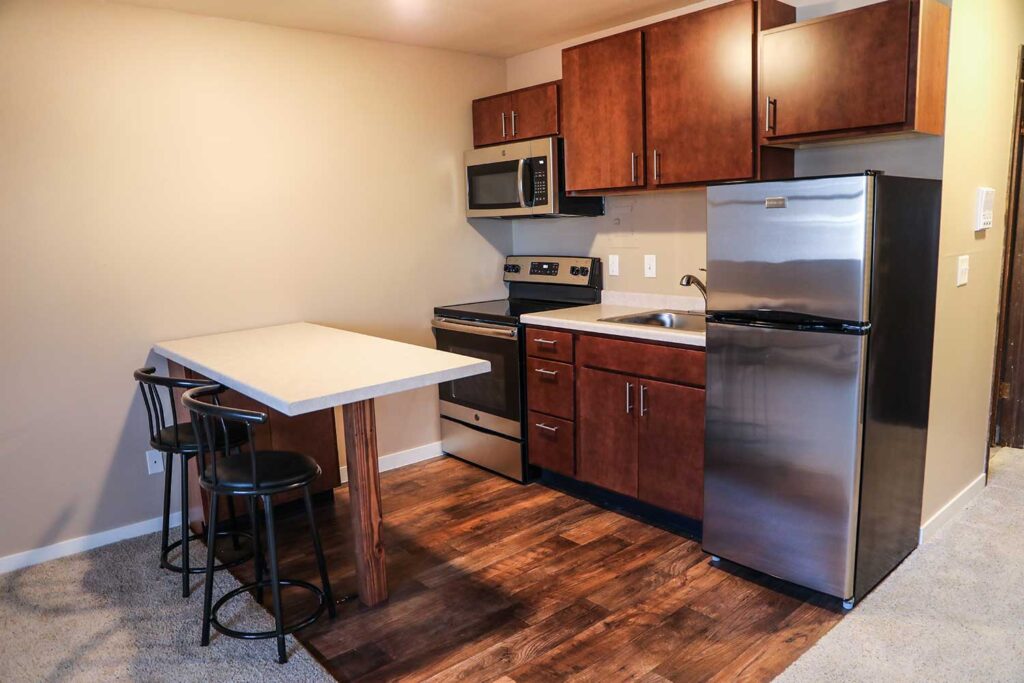
At Courtyard Apartments in downtown Madison, water, sewer, trash, and recycling are included. Lincoln Street and Homestead in Verona include the same four services. The Outlook includes water, sewer, garbage, and heated underground parking [1].
Compare the total, not just the largest number in the listing.
3. Decide How Much Space You Need
It is easy to say you want the largest apartment you can afford. A better question is how you will use each room.
A studio may work well if you want to live independently downtown and do not need a separate bedroom. A one-bedroom gives you more separation between sleeping and living areas. A two- or three-bedroom apartment can provide room for a home office, guests, hobbies, storage, or a shared rental arrangement.
Before searching, list the spaces you genuinely need:
- Separate bedroom
- Dedicated home office
- Guest room
- Dining space
- Large kitchen
- In-unit laundry
- Walk-in closet
- Additional storage
- Balcony or patio
Do not pay for a room simply because it sounds nice. Make sure it has a purpose in your routine.
4. Separate Essential Features From Nice Extras
Most renters begin with a long list of everything they would like. That list becomes much more useful when divided into two categories.
Your essentials may include:
- Maximum monthly budget
- Required move-in date
- Bedroom count
- Parking
- In-unit or on-site laundry
- Controlled access
- Internet availability
- Distance from work
- Accessibility needs
- Animal policy
Your optional features may include:
- Swimming pool
- Rooftop patio
- Fitness center
- Yoga room
- Business center
- Fireplace lounge
- Underground bike storage
- Premium countertops
- Private entrance
- Scenic views
An apartment does not need to win every category. It needs to meet your essentials and offer enough additional value to feel right.
5. Start Your Search Before You Feel Rushed
There is no single perfect date to begin looking for a Madison apartment.
Availability depends on your desired move date, property, floor plan, lease cycle, and the time of year. The safest approach is to begin researching early, then contact properties to learn when they expect to know about upcoming availability.
Starting early gives you time to:
- Compare neighborhoods
- Understand typical costs
- Decide which features matter
- Prepare application information
- Schedule tours
- Review lease terms
- Arrange the move
Starting early does not mean applying immediately. It means learning enough to act confidently when the right apartment becomes available.
6. Search Listings With a Consistent System
Apartment listings blur together quickly.
Create a simple comparison sheet with the same categories for every property:
| Category | What to record |
|---|---|
| Rent | Current monthly amount |
| Availability | Move-in date |
| Floor plan | Studio, one, two, or three bedrooms |
| Utilities | Included and resident-paid |
| Parking | Included, paid, assigned, or unavailable |
| Laundry | In-unit or shared |
| Internet | Provider and connection type |
| Storage | Included or paid |
| Lease | Standard length and flexibility |
| Amenities | Features you will use |
| Commute | Time and transportation options |
| Contact | Property phone and email |
This prevents one beautiful kitchen photo from distracting you from a parking problem or a utility cost you forgot to include.
Regency lists available apartments across all five communities on its centralized availability page. Listings can be filtered by property and reviewed by price or number of bedrooms [1].
7. Research Your Commute Before Touring
Do not wait until after signing the lease to test your commute.
Check it during the hours you expect to travel. A route that looks easy at noon may feel very different during peak traffic or winter weather.
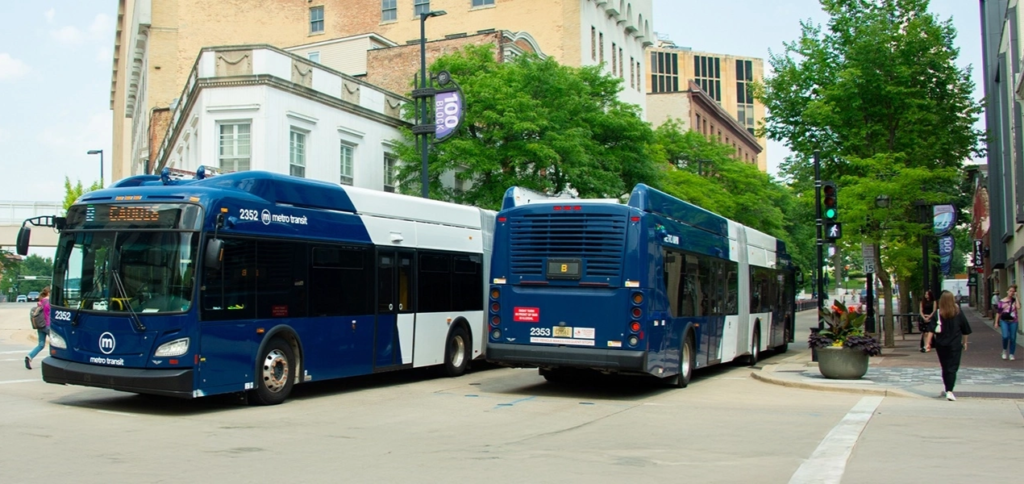
If you plan to use public transportation, Madison Metro provides route maps, schedules, service alerts, and real-time arrival tools [2].
Look at:
- Walking distance to the nearest stop
- Number of transfers
- Weekday and weekend service
- First and last departure times
- Severe weather delays
- Distance from the stop to your destination
- Backup options if service changes
If you plan to drive, check parking at both ends of the commute. An apartment with easy parking does not solve a difficult parking situation at work.
8. Schedule an Apartment Tour
Photos are useful, but they cannot show how the apartment feels.
During a tour, pay attention to:
- Room dimensions
- Furniture placement
- Closet and cabinet space
- Natural light
- Noise
- Appliances
- Heating and cooling
- Water pressure
- Laundry access
- Building entry
- Parking
- Package handling
- Trash and recycling
- Community amenities
Bring furniture measurements if you already own large pieces. Take notes and, if permitted, photos.
Ask to see the exact apartment whenever possible. If only a representative floor plan is available, confirm how the available apartment may differ.
9. Ask What Is Included in Rent
Never assume.
Ask for a specific breakdown of:
- Water
- Sewer
- Trash
- Recycling
- Electricity
- Gas
- Internet
- Parking
- Storage
- Laundry
- Amenity access
Some utility responsibilities change by floor plan. At Lincoln Street, non-studio residents establish gas service through Madison Gas and Electric. At Prairie Crest and The Outlook, the gas setup requirement applies to two-bedroom apartments [1].
Make sure the responsibilities for your specific apartment are reflected in the lease.
10. Understand the Parking Situation
Parking varies significantly between downtown Madison and Verona.
Courtyard has an off-street parking lot where spaces may be rented separately on a month-to-month basis, subject to availability. Madison also has residential parking permit areas, but a permit does not guarantee a space or override other posted restrictions [3].
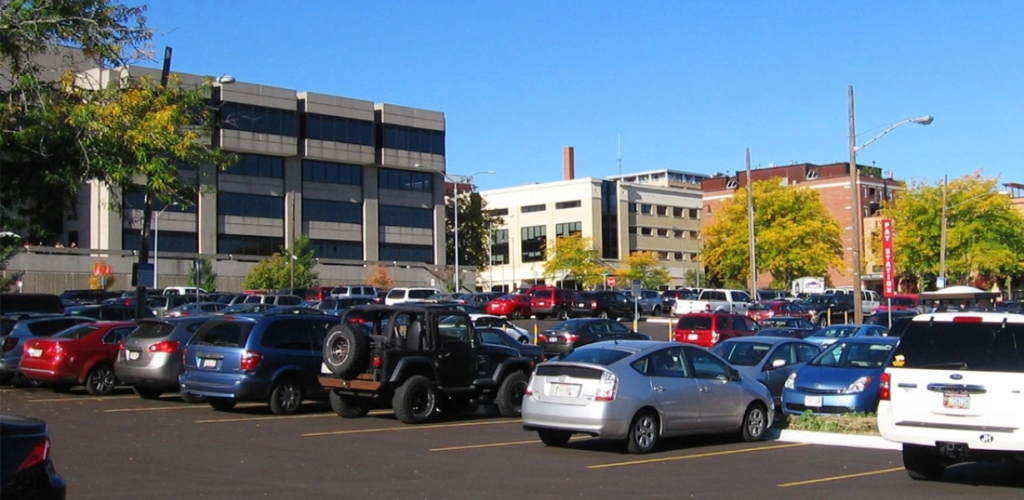
Several Verona properties include underground parking:
- Prairie Crest includes assigned heated underground parking.
- Lincoln Street includes one assigned underground space.
- The Outlook includes heated underground parking.
Ask how many vehicles can be registered, where guests can park, and what happens during snow removal.
If you do not own a vehicle, consider whether you are still paying indirectly for parking you will never use. Look at the complete value of the property.
11. Prepare for the Application
Application requirements can vary, so ask the leasing team what information you will need.
You may be asked to provide identifying information, rental history, employment or income details, references, or other documentation needed for screening.
Before submitting:
- Confirm the apartment number
- Confirm the rent
- Confirm the move-in date
- Review application charges
- Ask how screening works
- Understand whether fees are refundable
- Verify the lease length
- Ask what happens after approval
Do not send sensitive information through unverified email addresses or unofficial links. Use Regency’s official application process.
12. Read the Entire Lease
The lease controls the rental relationship. A listing, tour conversation, or email does not replace it.
Review:
- Lease start and end dates
- Monthly rent
- Due date
- Security deposit
- Utility responsibilities
- Parking arrangement
- Storage terms
- Maintenance procedures
- Community rules
- Guest policies
- Animal policy
- Subleasing rules
- Move-out notice
- Renewal procedures
- Any addenda
Regency’s standard lease term is 12 months. Short-term leases may be available at most properties based on current availability. Subleasing is explicitly permitted at Prairie Crest and Homestead, subject to the applicable process and lease terms [1].
Ask questions before signing, not after.
13. Confirm the Animal Policy
Regency permits cats at all five properties, subject to applicable fees, authorization requirements, and community rules.
Dogs are not permitted.
Residents must complete the required animal authorization form. Emotional Support Animal questions require a conversation with a leasing specialist so the team can provide the appropriate guidance.
Always use the word “animal” when discussing Regency’s policy. Do not rely on a third-party listing for the final rules.
14. Arrange Utilities and Internet
Once your lease is finalized, ask management which services must be active before move-in.
Depending on the property, providers may include:
- Alliant Energy
- Madison Gas and Electric
- TDS
- Spectrum
Schedule service for the correct date and save confirmation details.
Internet installation may require an appointment. If you work remotely, do not leave it until moving day. Ask whether equipment can be shipped or collected in advance.
15. Plan the Physical Move
Before booking movers or renting a truck, confirm the property’s move-in procedures.
Ask:
- Where can the moving vehicle park?
- Are there reserved loading areas?
- Is an elevator available?
- Can the elevator be reserved?
- Are there restricted move-in hours?
- Which entrance should movers use?
- When will keys or access devices be issued?
- Are carts available?
- Where should boxes be recycled?
- How should existing damage be documented?
Measure large furniture and doorways before moving. It is much easier to learn that a sofa will not fit before it reaches the building entrance.
16. Update Your Address and Records
After establishing your new address, update the organizations that need it.
This may include:
- United States Postal Service
- Employer
- Financial institutions
- Insurance providers
- Subscription services
- Healthcare providers
- Schools or professional organizations
- Wisconsin Department of Transportation
Wisconsin residents should notify WisDOT of an address change within 10 days of moving. New residents with an out-of-state regular driver’s license generally need to apply for a Wisconsin license within 60 days of establishing residency [4].
Check the official WisDOT instructions because requirements differ for commercial licenses, identification cards, vehicle registration, and other situations.
17. Learn How Resident Services Work
Regency uses an online resident portal for services including:
- Rent payments
- Maintenance requests
- Lease document access
- Communication with management
- Account management
The portal is available through a web browser and mobile applications.
For emergency after-hours maintenance, residents can call (608) 258-0006. This number is for phone contact only [1].
Save the emergency number before you need it. Use the resident portal for routine maintenance requests and follow property instructions for urgent issues.
Which Regency Property Might Fit Your Move?
Regency has one downtown Madison property and four communities in Verona.
Courtyard Apartments
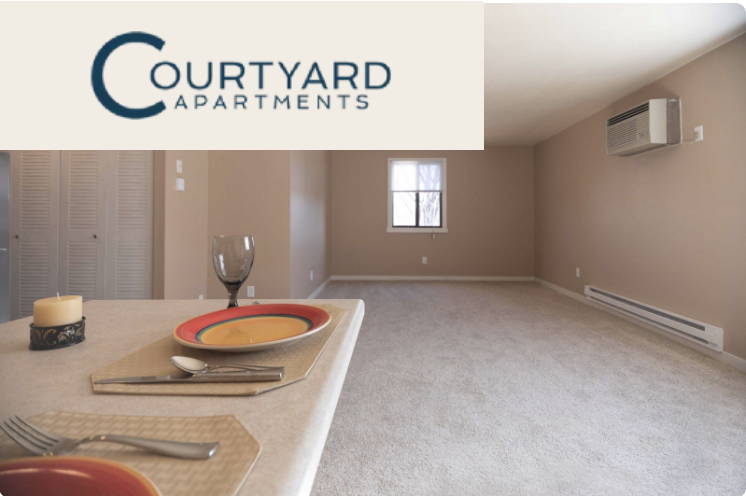
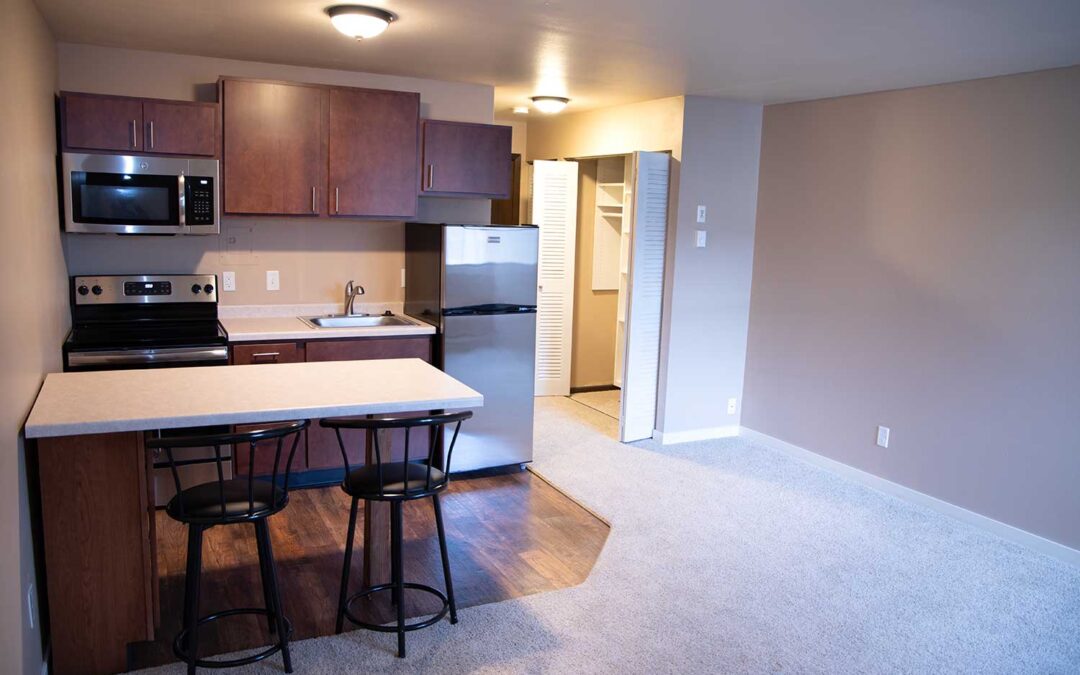
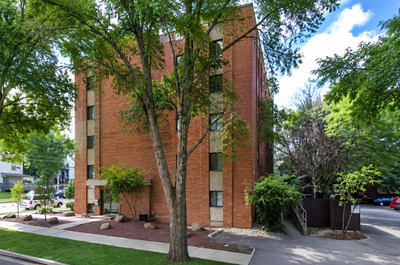
Choose Courtyard if you want a single-occupancy studio in downtown Madison with water, sewer, trash, recycling, on-site laundry, and free storage included.
Prairie Crest Apartments
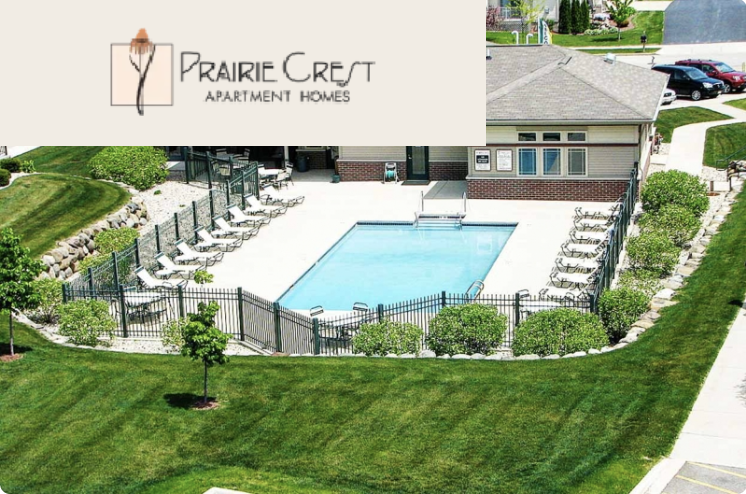
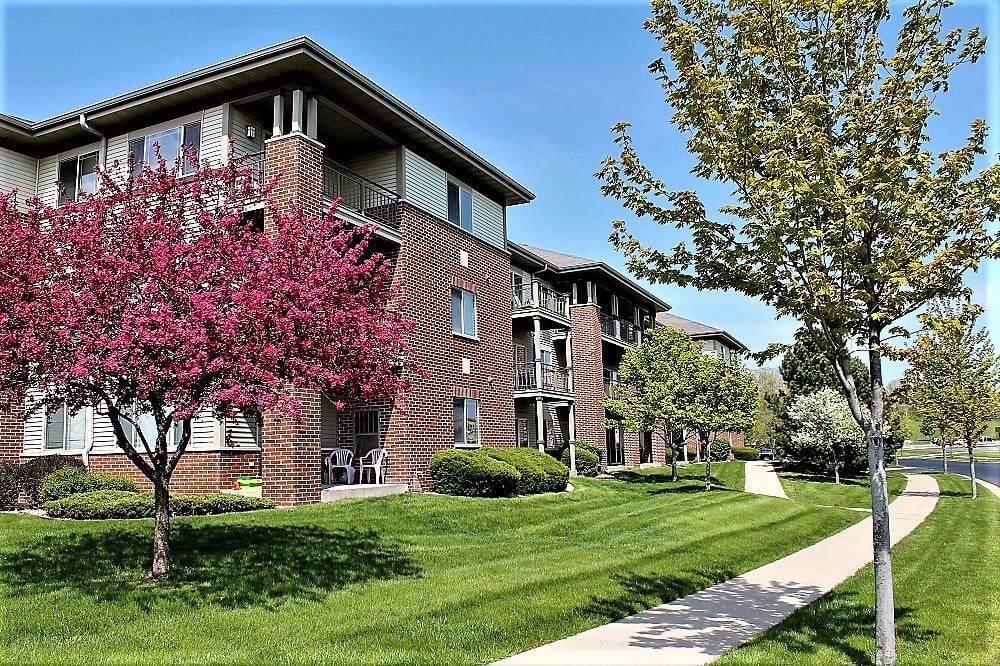
Consider Prairie Crest if you want an established Verona community with a pool, fitness center, clubhouse, trails, and assigned heated underground parking.
Lincoln Street Apartments
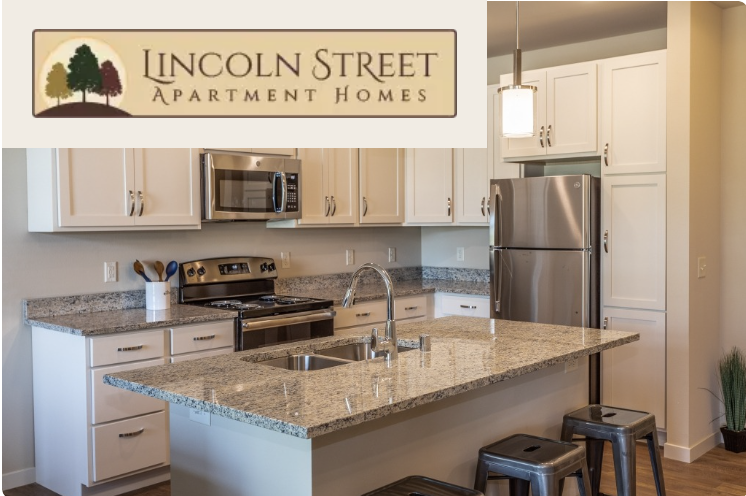
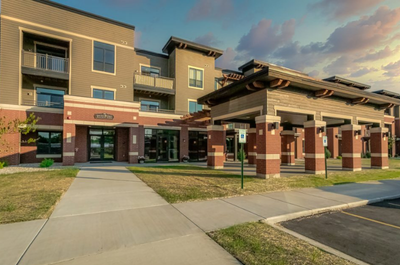
Explore Lincoln Street if you want studio through three-bedroom options, modern finishes, in-unit laundry, underground parking, and access to downtown Verona.
Homestead Luxury Rentals
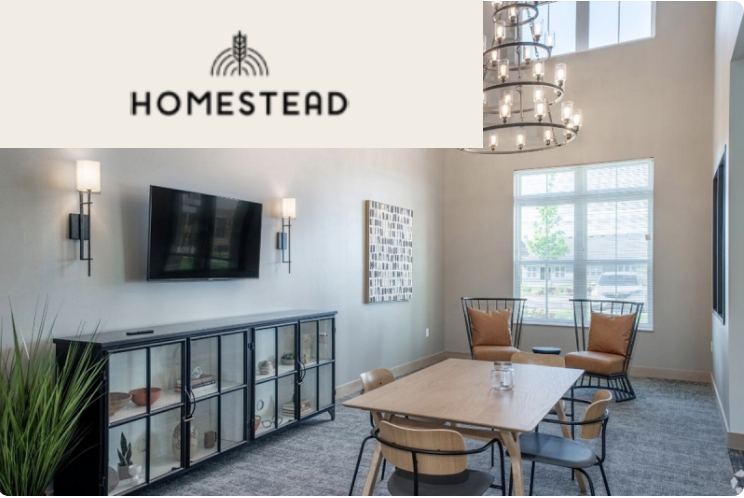
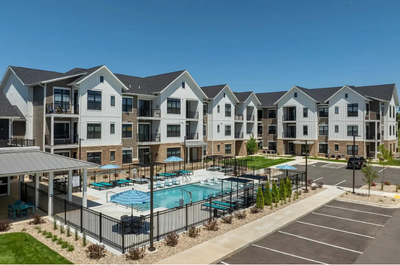
Look at Homestead if newer construction, luxury finishes, a resort-style pool, rooftop patio, yoga room, and extensive community amenities are important to you.
The Outlook at 1000 Oaks
Consider The Outlook if you want affordable luxury, sunset views, fiber connectivity, a pool, fire pits, a rooftop patio, and heated underground parking.
Make Your Move to Madison Easier
Apartment hunting becomes much easier when you know what you are comparing.
Choose the location that works for your routine. Build a complete budget. Separate essential features from nice extras. Tour carefully, ask direct questions, and read every part of the lease.
Regency Property Management has been helping residents find quality apartments across south central Wisconsin since 1980. Whether you want an efficient downtown studio or a modern Verona apartment with resort-style amenities, our team can help you compare your options.
Browse our current apartment availability, use the Help Me Choose tool, or contact us to request a showing.
Frequently Asked Questions
How early should I start looking for an apartment in Madison?
Begin researching before your desired move date so you can compare locations, costs, and floor plans. Contact individual properties to learn when upcoming availability is normally confirmed.
Is Verona a practical alternative to Madison?
Yes. Verona provides access to Madison while offering its own employers, parks, trails, shopping, restaurants, and apartment communities. It may be especially convenient for people who regularly travel to Epic Systems.
Can I live in downtown Madison without a car?
Depending on your workplace and routine, you may be able to walk, bike, or use Madison Metro for many trips. Check the route and schedule for your exact destinations before deciding.
Which utilities are commonly included at Regency properties?
Courtyard, Lincoln Street, and Homestead include water, sewer, trash, and recycling. The Outlook includes water, sewer, and garbage. Inclusions vary by property.
What is Regency’s standard lease length?
The standard lease length is 12 months. Short-term leases may be available at most communities based on current availability.
How do I submit maintenance requests after moving?
Residents can submit routine maintenance requests through Regency’s online resident portal. After-hours maintenance emergencies should be reported by calling (608) 258-0006.
Are animals permitted?
Cats are permitted at all Regency properties, subject to applicable fees, authorization requirements, and community rules. Dogs are not permitted. Emotional Support Animal questions should be discussed with a leasing specialist.
Sources
[1] Regency Knowledge Base (2026). Regency Property Management internal reference covering properties, utilities, parking, applications, lease terms, animal policies, resident services, and moving procedures.
[2] City of Madison Metro Transit. Rider Tools and Apps.
[3] City of Madison Parking Division. Residential Parking Permits and Where to Park.
[4] Wisconsin Department of Transportation. Change Your Address and Information for New Wisconsin Residents.
PRAIRIE CREST APARTMENTS VERONA
Verona, WI
COURTYARD APARTMENTS DOWNTOWN
Madison, WI
LINCOLN STREET APARTMENTS VERONA
Verona, WI
Homestead Luxury Rentals Verona
Verona, WI
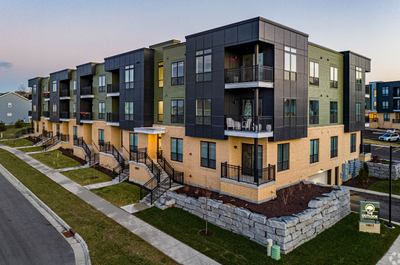
The Outlook at 1000 Oaks Verona
Madison, WI